Summer School in The South Pacific.
Bridging the Divides with Globally Engineered Software
January 9th – 11th, 2026
The Summer School is designed to provide participants with practical software solutions in a unique region of the world, while advancing the goal of making software engineering universal—accessible to anyone, anywhere, without technical, cultural, or educational barriers.
Previous editions:
With the rise of AI technologies in Software Engineering (SE), this school demonstrates how communities like Papua New Guinea can use these tools to foster equality and democratic participation within their local software ecosystems. For the global SE community, such diverse contexts reveal innovative methods for developing solutions and contributing meaningfully to the open-source (OSS) world.
- Education: Learn about the latest trends in Software such as the impact of generative Artificial Intelligence and augmented computing and visualization.
- Promotion of Young Researchers: Contribute to nurturing the next generation of world-class Young Researchers in the early stages of their careers.
The 3-day program is taught in English and will be held at Loloata Island Resort, Port Moresby, Papua New Guinea.
Participants will receive a certificate of attendance.
Venue
BRIDGES2026 will take place at Loloata resort, which is located on an island off the coast of Port Moresby, capital of Pacific nation, Papua New Guinea (PNG). Known as the land of the unexpected, locals speak over 850 languages and have a diverse culture, flora and fauna (like the Bird of Paradise and the world’s largest butterfly, the Queen Alexandra Birdwing), making PNG one of the last untouched locations on the planet.
Transport Schedule (2026)
You can view or download the latest ferry and transport schedule here: 2026 Ferry & Transport .
Overview of Program
DAY 1 Jan 9th - Loloata: Conference Room.
| Session | Details |
|---|---|
| 9:30 - 10:00 | Registration at Desk |
| 10:00 - 10:20 | Welcome (Chair: Prof Youmei) |
| Welcome Address | Professor Ora Renagi OL (PNGUoT Vice-Chancellor) |
| Opening for BRIDGES2026 | Prof. Raula Gaikovina Kula |
| 10:20 - 10:30 | Break (Group Photo) |
| 10:30 - 12:30 | Keynotes (Chair: Winifred Kula) |
| Keynote Talk 1 | Prof. Foutse Khomh (remote) |
| Keynote Talk 2 | Prof. Kelly Blincoe |
| 12:30 - 13:30 | Lunch |
| 13:30 - 15:00 | Session 1: Introduction to Git and GitHub |
| .. | Breakout into Teams (6 people) |
| .. | Individual Tasks on Git and GitHub (Prof. Kula) |
| .. | Tasks on Using Visual Studio Code and Copilot (Prof. Youmei) |
| .. | Day 1 - Wrap-up tasks and introduce challenges (Prof. Kula). |
| 15:00 - 15:30 | Break and End of Day 1. |
| night session (8:00 - 10.00) | dinner and closed discussions with invited guests |
DAY 2 Jan 10th - Loloata: Conference Room.
| Session | Details |
|---|---|
| 9:30 - 11:30 | Day 2 Keynotes (Chair: Dr. Benson Mirou) |
| Keynote Talk 3 | Prof. Marc Cheong |
| Keynote Talk 4 | Prof. Yutaro Kashiwa |
| 11:30 - 12:00 | Break |
| 12:00 - 12:30 | Session 2: Continue Challenge |
| .. | Hackathon task and working groups (Lecturer Sankwi) |
| 12:30 - 13:30 | Lunch |
| 13:30 - 15:00 | Session 4: Challenge Pitching |
| .. | Team breakout and report |
| 15:00 - 15:30 | Break and End of Day 2. |
| night session (20:00 - 22.00) | dinner and closed discussions with invited guests |
DAY 3 Jan 11th - Loloata - Resort Area
| Session | Details |
|---|---|
| 10:00 - 11:00 | Session 6: Presentations, Feedback |
| .. | Team 1 -3 presentations and live voting (15 mins each) |
| 11:00 - 11:30 | Break |
| 11:30 - 12:30 | Session 7: Presentations, Feedback and Awards |
| .. | Team 4 - 6 presentations and live voting (15 mins each) |
| .. | Awards presentation |
| .. | Closing & Future Discussions. |
| 12:30 - 13:30 | Closing. |
| closed session (14:00 - 17:00) | future plan discussions with invited guests |
- Research: Gain early feedback on your research from experts. presentation skills, and seek potential collaborators.
- Education: Learn about the latest trends in Software such as the impact of generative Artificial Intelligence and augmented computing and visualization.
- Promotion of Young Researchers: Contribute to nurturing the next generation of world-class Young Researchers in the early stages of their careers.
BRIDGES Speaker Abstracts
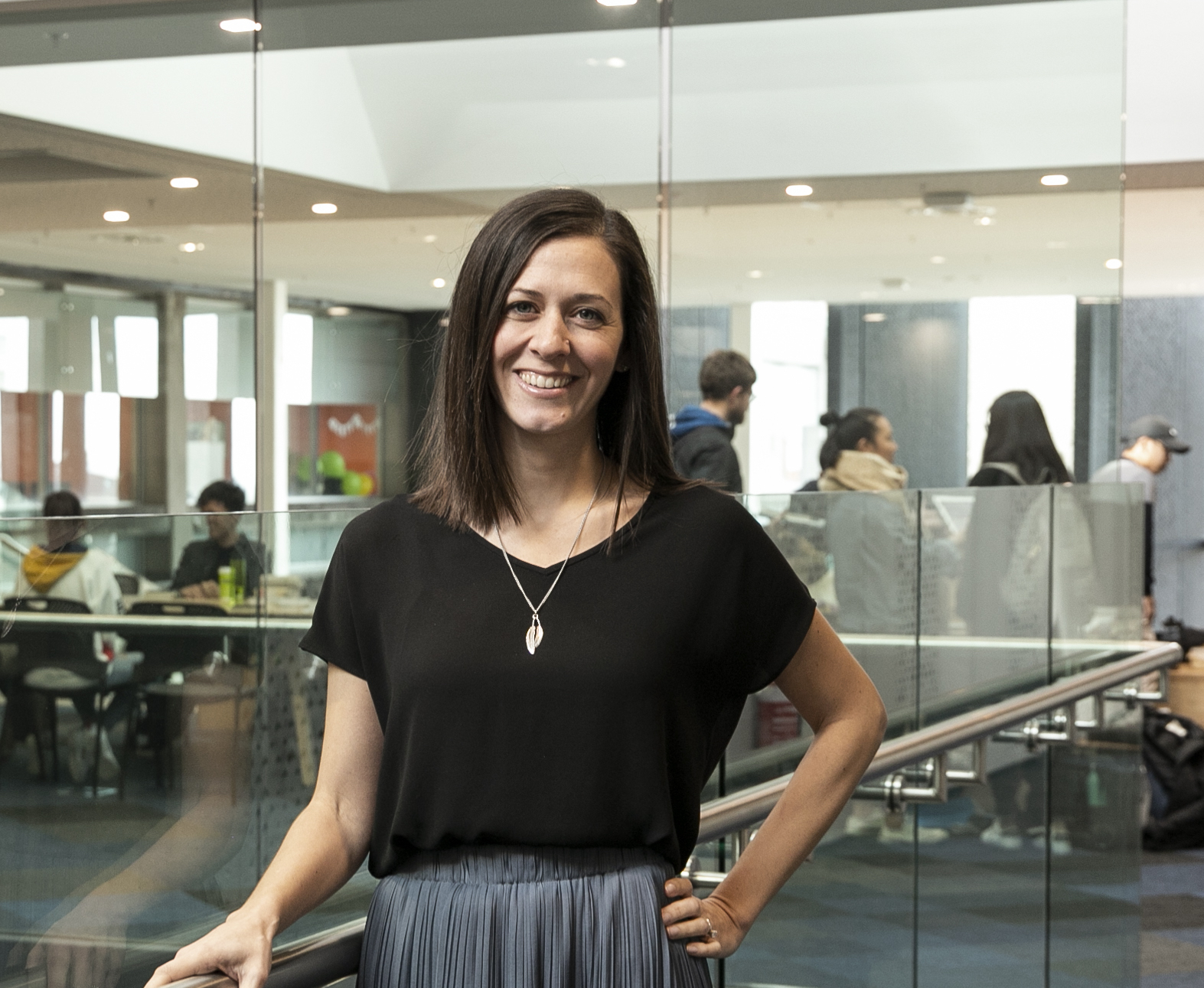
Associate Professor Kelly Blincoe
Finding Your Fit: How Your Thinking Style Shapes Your Software Engineering Experience
Have you ever felt like software just doesn't "click" with the way you think? Recent research shows this isn't just in your head—some software actually works better for certain thinking styles than others. This is also true for the software tools that software engineers use to build and maintain software. I'll share our studies on two widely-used tools: the PyCharm debugger (which helps find and fix bugs) and GitHub Copilot (an AI coding assistant). You'll learn about the inclusivity issues we found and, more importantly, discover practical strategies for working with these tools effectively, regardless of your natural thinking style. I'll also help you identify your own cognitive preferences so you can choose approaches that work best for you as you begin your software engineering journey.
Associate Professor MarK Cheong

Responsible Use of Generative AI and Open Source Tools for Good
Following from previous BRIDGES events, researchers have identified that building software with open source tools (and possibly generative AI) could empower young people and uplift them with career-building skills. Generative AI products, from ChatGPT to Claude Code, have the potential to improve productivity, and more importantly, become a resource for learning about software development.
However, AI—against the broader tech ecosystem—has been known to cause issues such as: perpetuating 'AI slop' and misinformation; exhibiting social biases or amplifying them; causing unwanted harms and side effects; violating privacy and potentially misusing others' work! This, combined with the proprietary nature of many extant software products, might raise some ethical questions on what it means to use them 'responsibly' and 'for good'.
In this talk, I will provide a primer of four key ethical principles in the area of AI ethics, and explain their applicability in our use of technology (including AI), as well as what they mean for developers, users, and other stakeholders.
Then, I will discuss the benefits found in initiatives such as the open source movement and others in promoting accessibility, fairness, and equality of opportunity. Finally, some practical tips will be offered to participants on how they can begin their journey as software developers in a responsible and ethical manner, by learning from the various issues surrounding contemporary technology, and adopting responsible usage/development practices.
Associate Professor Yutaro Kashiwa
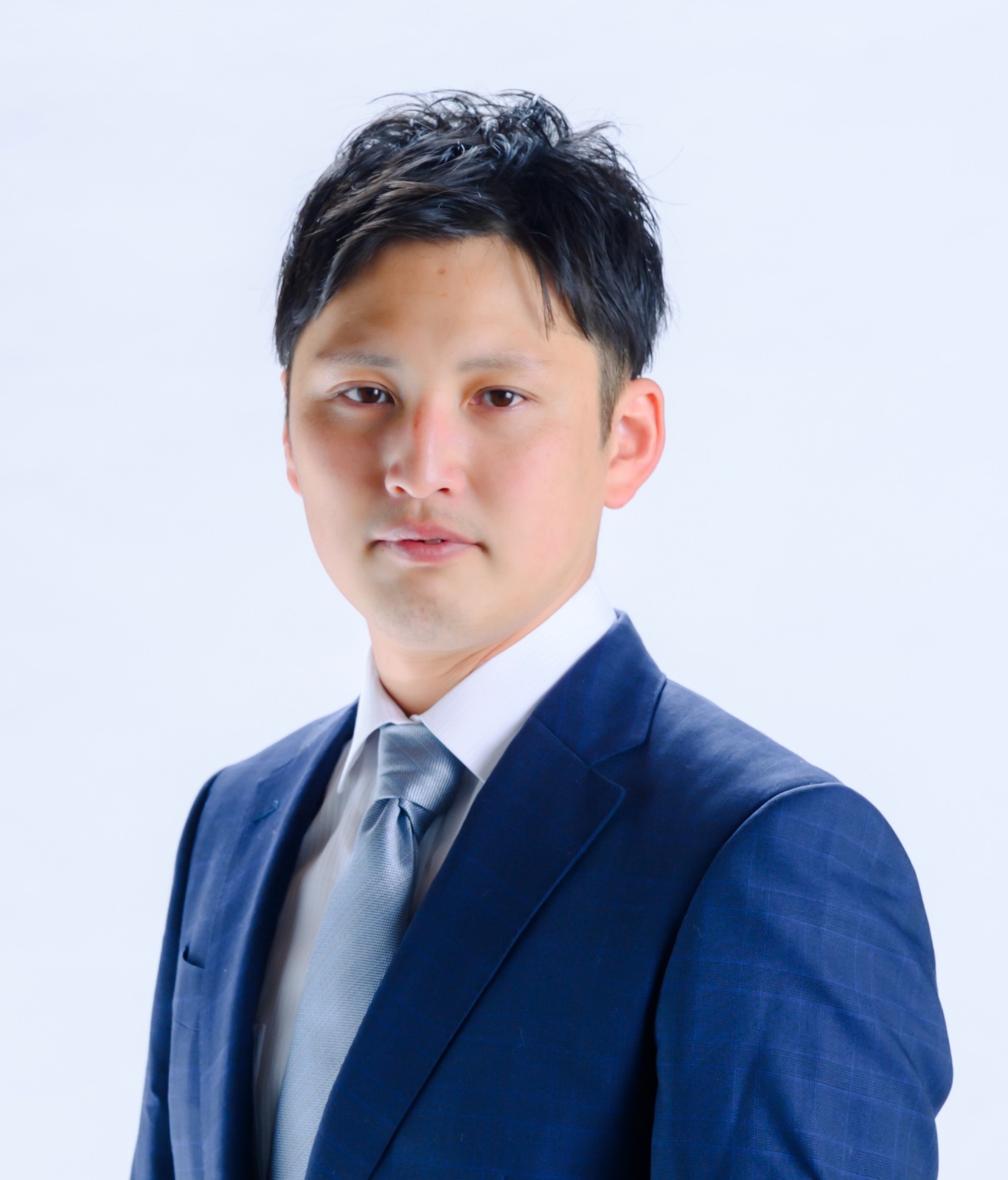
The State of Agentic Coding: How Close Have AI Agents Come to Human Developers?
Programming has evolved dramatically, from punch cards to high-level languages, and now to natural language. This talk focuses on “Agentic Coding,” a development approach at the forefront of this evolution. Agentic Coding refers to a paradigm where AI agents autonomously write, debug, and refine code with minimal human intervention, often working from high-level prompts or specifications rather than line-by-line instructions. Drawing on my current research into AI agent-driven software development, I will present a quantitative analysis of how closely autonomous program generation and modification by AI agents has come to replicating human development processes.
Prof. Foutse Khomh
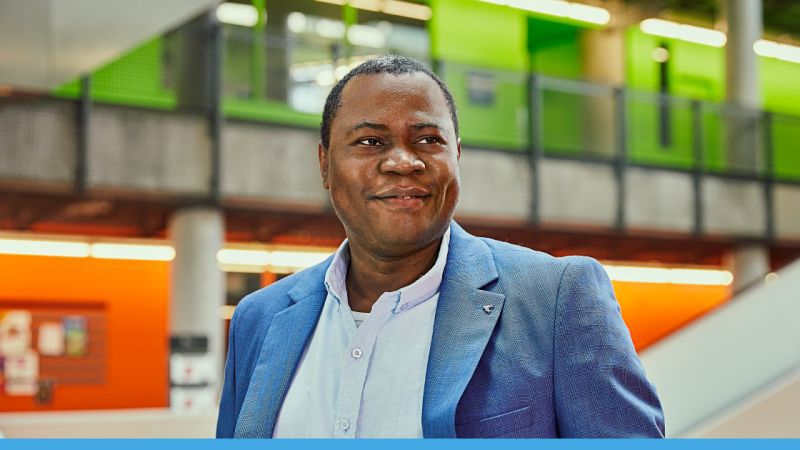
Software Engineering and Trustworthy AI
Foutse Khomh is a Professor of Software Engineering at Polytechnique Montréal, Canada, and Canada Research Chair in Software Quality Assurance. He earned his Ph.D. in Computer Science from the University of Montréal. His career spans both academic research and leadership in advancing empirical software engineering practices.
He has led numerous international collaborations and projects focused on improving the reliability and trustworthiness of modern software systems. His work bridges the gap between advanced AI capabilities and dependable real-world applications, with emphasis on software quality, testing, and maintenance.
His current research interests include trustworthy AI, empirical software engineering, software analytics, and the engineering of dependable large-scale systems.
Tuition Fee
| Category | Fee (PGK) | Deadline |
|---|---|---|
| Students | Free (30 spaces) | — |
| Early Bird | 400 PGK | Register before Dec 1 |
| Regular | 600 PGK | Register after Dec 1 |
Included:
- All classes and course materials
- Lunches and coffee breaks
- Social dinner
Not Included:
- Flights
- Transportation
- Accommodation
Call For International Participants (Deadline November 14th, 2025)
The BRIDGES Summer school will also accept international participants that would also request to mentor students or provide feedback. To apply, please send an email to bridges.png@gmail.com and motivation for participation (500 words max).
If your application is accepted, you’ll receive instructions on how to proceed on payment. you will receive the notification on a email basis as the committee will discuss acceptance.
Call For Participants Process
(Deadline November 14th, 2025)
To apply for the summer school, please send an email to bridges.png@gmail.com a cover letter with your motivation and background details (500 words max), as well as your resume CV.
We accept registrations as teams or individuals. Please note that we have limited spaces, so please register as soon as you can. Also, spaces is determined by the location. University students will have free registration (subsidized upon registration).
Alternatively, you can either fill out this participants registration application form. Registration form
If your application is accepted, you’ll receive instructions on how to proceed with the registraion payment after November 14th.
Late registration closes on 5 January — no registrations will be accepted after this date.
Event Highlights
.jpeg)
Meet the Team
Organizing Team
- Prof. Raula Gaikovina Kula (The University of Osaka)
- Prof. Youmei Fan (Nara Institute of Science and Technology)
- Dr. Benson Mirou (Papua New Guinea University of Technology)
- Winifred Kula (eNovaX solutions, Bank of South Pacific) * Her contribution is outside of the interests and her role at her BSP employment.
Contact
For more information, email: bridges.png@gmail.com